TSE exists because shifts happen. Operational breakdowns are not hypothetical. They are the thread that unravels and reveals the instability of your greatest intentions.
At TSE every problem this work addresses, our team has stood inside firsthand.
Know what exists, who does what, and where capacity lives.
Make it easier for people and partners to reach what they need.
Connect the people, resources, and moving parts so something actually happens.
The Seed Exchange started with a simple observation: our communities don't always lack resources — we often lack coordination.
Organizations, providers, businesses, and community partners each hold something valuable — knowledge, services, relationships, information, capacity, or access. The problem is, those resources often exist in isolation.
One organization has the relationship. Another knows the process. Someone else has the resource, the available capacity, or knows exactly who to call. Meanwhile, the person who needs help is still trying to figure out where to start.
The Seed Exchange entered the chat.
Communities needed a better way to see what was already available, access it without unnecessary barriers, and coordinate it well enough to actually be useful. Not another resource list, referral loop, or meeting about the meeting.
That became the foundation of how The Seed Exchange works — see the framework at left.
Because when resources are visible, accessible, and coordinated, communities have greater capacity to respond.
That's The Seed Exchange.
|
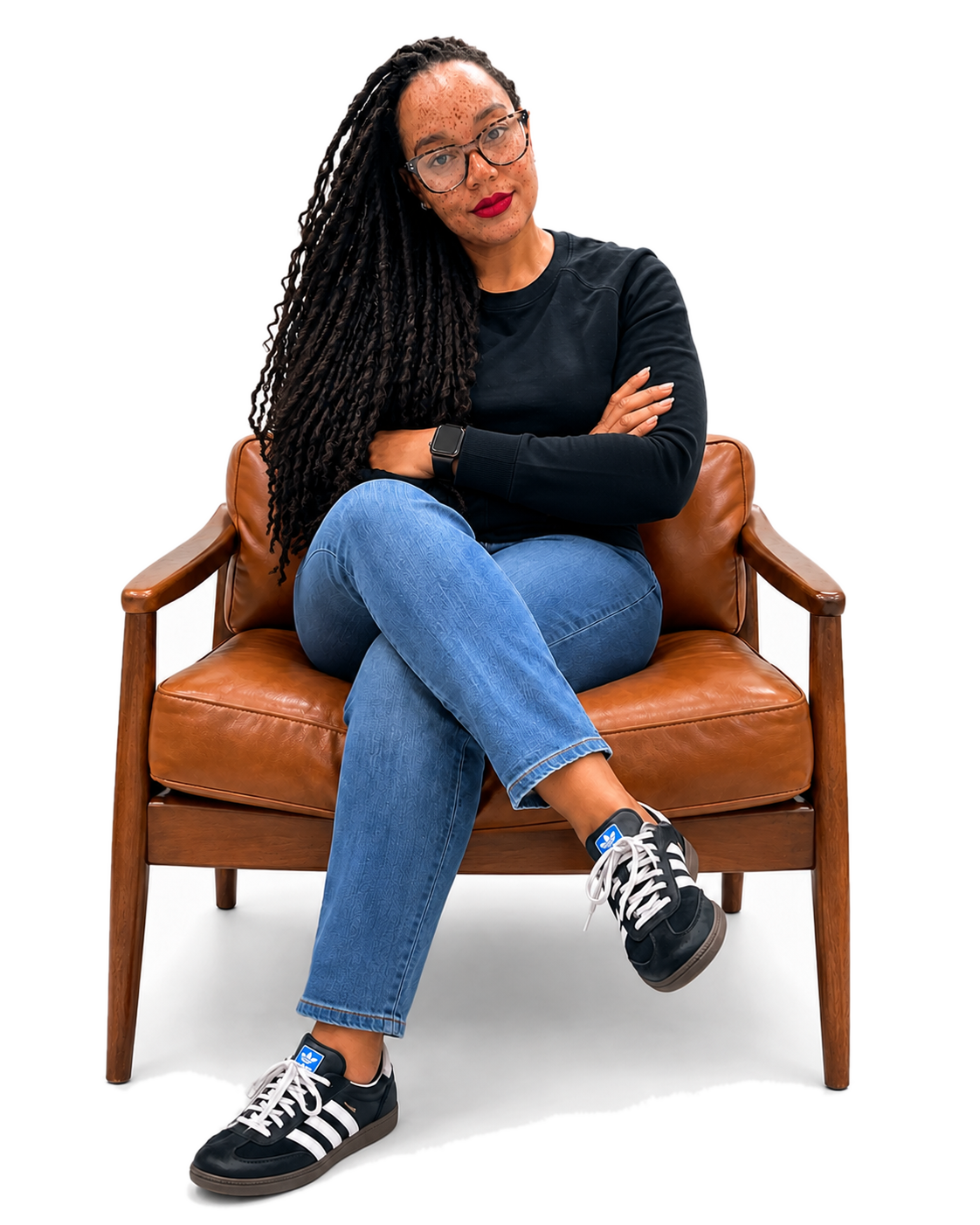
When people ask why I started The Seed Exchange, they usually expect me to talk about homelessness, housing, or nonprofit work. Those things matter, but they aren't the real answer.
The real answer is that I've spent enough time sitting in every seat at the table to realize everyone is experiencing the same challenge from a different perspective. I've been the case manager trying to keep up with a caseload that outgrew the calendar. I've been the program leader responsible for outcomes that depended on dozens of moving parts. I've worked alongside executive leadership trying to balance compliance, funding, staffing, and community expectations all at the same time. And I've watched incredibly capable people slowly convince themselves they were the problem, when in reality, they were working in environments that made good work harder than it needed to be.
Because when a client doesn't get a call back, we call it a communication issue. When documentation falls behind, we call it a training issue. When staff are exhausted, we call it burnout. When leaders are constantly putting out fires, we blame staffing. When partnerships struggle, we assume people stopped collaborating. Sometimes those things are true. But more often than not, they're symptoms of something bigger. The work has simply become harder than it has to be.
Somewhere along the way, people started carrying responsibilities that were never meant to rest on one person, one department, or one organization. Everyone adapts the best they can. They create workarounds. They stay late. They skip lunch. They answer emails after dinner. They hold everything together with experience, determination, and good intentions. Until one day, they can't.
No one can carry
that much forever.
That's what led me to create The Seed Exchange. Organizations don't need another consultant. The people doing this work need support that holds up on the hard days, not just the easy ones.
The truth is, healthy organizations don't happen by accident. They happen when leaders have the space to lead, when teams know what comes next, when communication is clear, when expectations are shared, when community partners trust one another, and when good people aren't forced to rely on memory, heroics, or luck to deliver good outcomes.
Over time, I've learned there's a word for all of that. It's called capacity. Not just having enough funding or enough staff, but having the people, relationships, leadership, structure, and support necessary to do the work well, and to keep doing it well when life inevitably gets complicated.
Healthy organizations
create healthier communities.
That's the work we do. Sometimes that looks like strengthening internal processes. Sometimes it's helping organizations prepare for growth, navigate change, improve collaboration, implement new systems, or make better use of the resources they already have. Sometimes it's simply helping a team get their footing again. Whatever the project, the goal is always the same: to make the work feel lighter without making it matter any less.
Because when organizations have the support they need, teams are more confident, partnerships become stronger, and communities are better served. Most importantly, clients shouldn't have to carry the weight of an organization's internal challenges just to get what they came for.
That's the standard I believe we should all be working toward. Healthy organizations create healthier communities. And when we create the right conditions, people do what they've always had the potential to do. They grow.
Looking ahead with gratitude,

— Ravonda Medley
Founder & CEO, The Seed Exchange
We don't start with a recommendation. We start by watching how the work actually happens — and it shapes everything else we believe about this work, including the idea at the center of it: The Seed Theory.
A tree doesn't stand because of the branches we admire.
It stands because of the roots we rarely ever see.
TSE strengthens the organizations already doing the work.
Lattice helps organizations across a community stay connected to each other.
Good Ground Collaborative walks alongside individuals and families facing the most complex situations, directly.
TSE is designed for organizations that are ready to build something that holds. Is that you?